
Share!
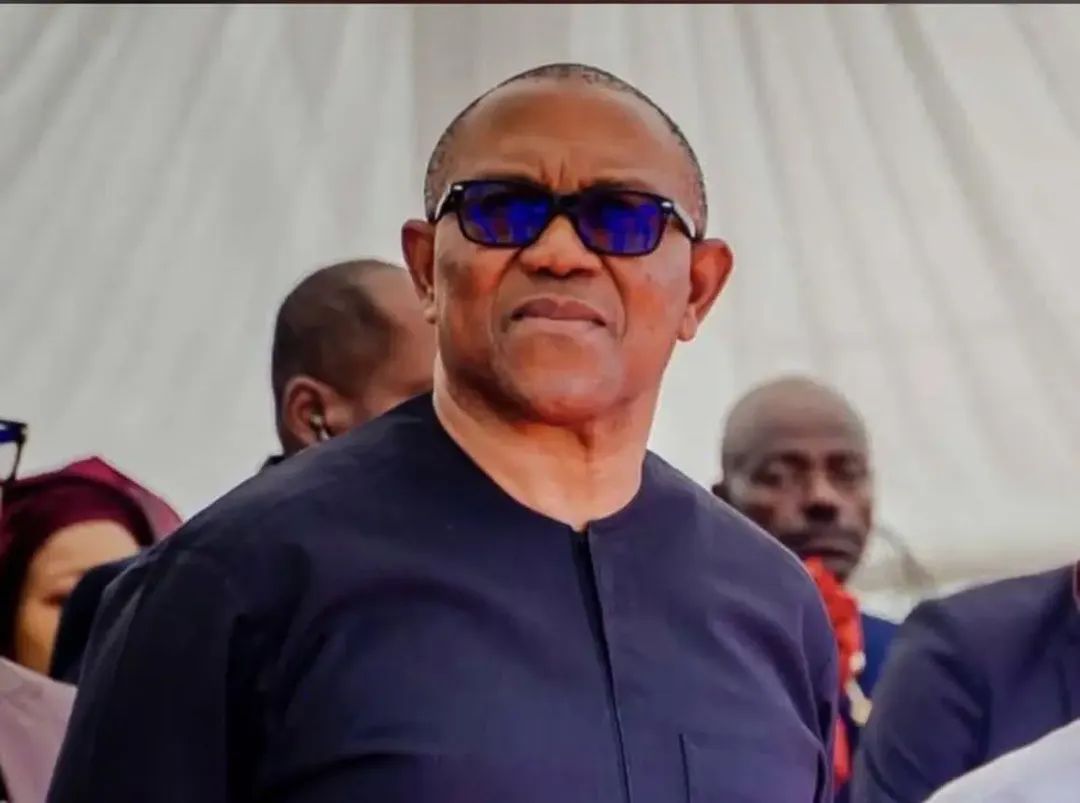
Former Anambra State Governor and presidential candidate of the Nigeria Democratic Congress (NDC), Peter Obi, has criticised the Federal Government’s 30-day petrol price discount, describing the initiative as a reactive measure incapable of addressing the economic hardship confronting Nigerians.
Obi, in a statement shared on his X account on Sunday, accused President Bola Ahmed Tinubu’s administration of prioritising political considerations over sustainable economic policies.
He explained that he initially withheld his reaction to the announcement to observe its implementation and assess its potential benefits to Nigerians.
The former presidential candidate maintained that the temporary intervention reflected what he described as the government’s inconsistent approach to economic management.
Obi traced the country’s prevailing economic difficulties to the removal of petrol subsidy on May 29, 2023, arguing that the decision was implemented without sufficient consultation or a comprehensive assessment of its consequences.
He also criticised the floating of the naira and subsequent tax reforms, alleging that the policies were poorly coordinated and had contributed to worsening living conditions.
According to him, the combined effects of these measures have intensified inflation, increased the prices of essential goods and services, weakened businesses and aggravated unemployment, poverty and inequality.
Obi further accused the administration of failing to conduct and publish detailed assessments of its economic policies before implementation.
He argued that meaningful economic reforms should be preceded by extensive consultations with stakeholders and ordinary citizens to ensure that government decisions reflect prevailing realities and promote sustainable development.
Questioning the effectiveness of the petrol discount, which he estimated at less than five per cent of the prevailing pump price, Obi wondered how a temporary price reduction could meaningfully address Nigeria’s economic challenges.
He asked whether the intervention would reduce poverty, unemployment and insecurity, stimulate productivity or increase the country’s export capacity.
The former governor also questioned whether the discount was an attempt to gauge public acceptance of a possible return to petrol subsidy or a political strategy ahead of the 2027 general elections.
Obi maintained that Nigerians deserved coherent, transparent and sustainable economic policies rather than temporary interventions that offered limited relief without addressing the structural causes of hardship.
He urged the Federal Government to prioritise policies capable of improving citizens’ welfare, expanding economic opportunities and restoring public confidence in governance.
