
Share!
The Federal Government has described inflation as an “invisible tax” that silently erodes the purchasing power of Nigerians, warning that it disproportionately hurts the poor and widens economic inequality.
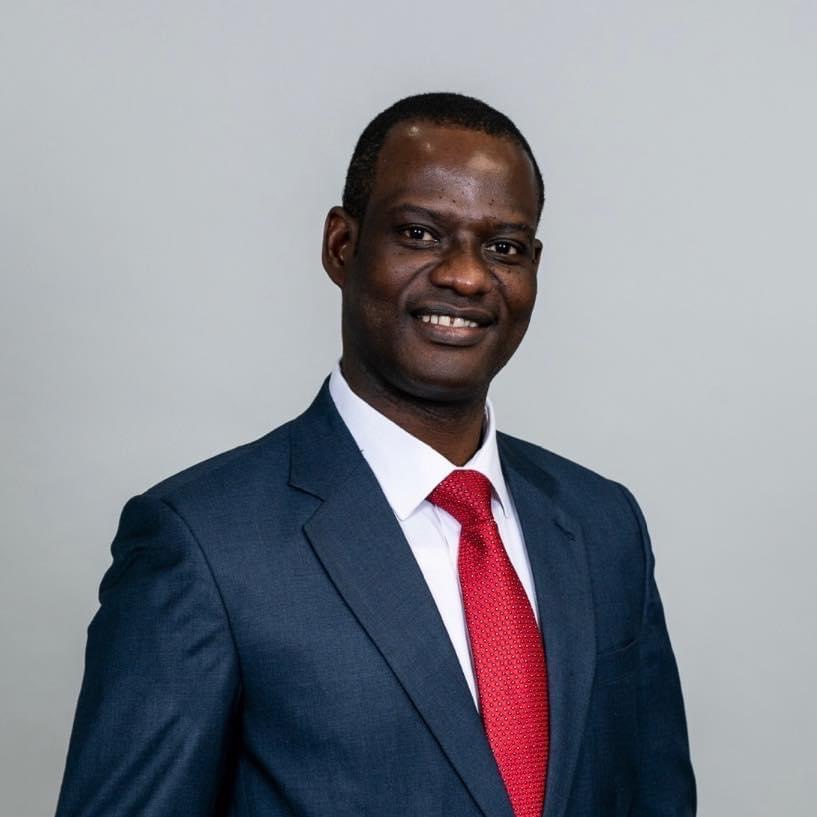
Minister of Finance and Coordinating Minister of the Economy, Mr. Taiwo Oyedele, said rising inflation imposes a hidden burden on citizens by reducing the real value of their incomes and savings, even when no formal tax has been introduced.
Speaking on the second day of the 7th African Emerging Markets Forum in Abuja, themed “Building Resilience Amidst Geoeconomic Uncertainties,” Oyedele said governments must prioritise sound fiscal management to protect citizens from the damaging effects of inflation.
According to him, while citizens may choose not to pay certain taxes, they cannot escape the consequences of inflation when governments resort to unsustainable financing of public expenditure.
“We can choose not to pay taxes and complain about them, but we all pay in another way. When government prints money to spend, that’s inflation tax. They don’t ask for your permission and they don’t enact any law, but the money you have is no longer worth what it used to be,” he said.
He explained that inflation functions as an indirect tax because it steadily diminishes the purchasing power of households, making everyday goods and services more expensive.
The minister noted that the impact is particularly severe on low-income earners who lack investments or financial assets capable of shielding them from inflationary pressures.
“That disorderly manner of taxation disproportionately affects vulnerable people more than the rich because they do not have assets that can protect them against inflation,” he said.
Oyedele warned that prolonged inflation not only weakens household incomes but also fuels inequality and social tension.
“When inequality persists, it becomes dangerous. It’s like sitting on a gunpowder keg—it will eventually explode,” he cautioned.
He stressed that maintaining macroeconomic stability through responsible fiscal policies remains essential to protecting the welfare of Nigerians and creating an environment where businesses can thrive.
According to the minister, strengthening public finances and reducing inflation would ultimately improve living standards, restore purchasing power and support inclusive economic growth.
Related posts:
- 25 Developing Countries To Benefit From World Bank’s $1.9B Support For COVID-19 Response
- Religious Bodies Registered On Earth NOT In Heaven – PWC Tax Expert Gives Insight Into CAMA 2020
- Subsidy Palliative: FG To Pay N5,000 To 10m Households For 6 Months
- Famine looms, World Bank warns Nigeria, seven others
