
Share!
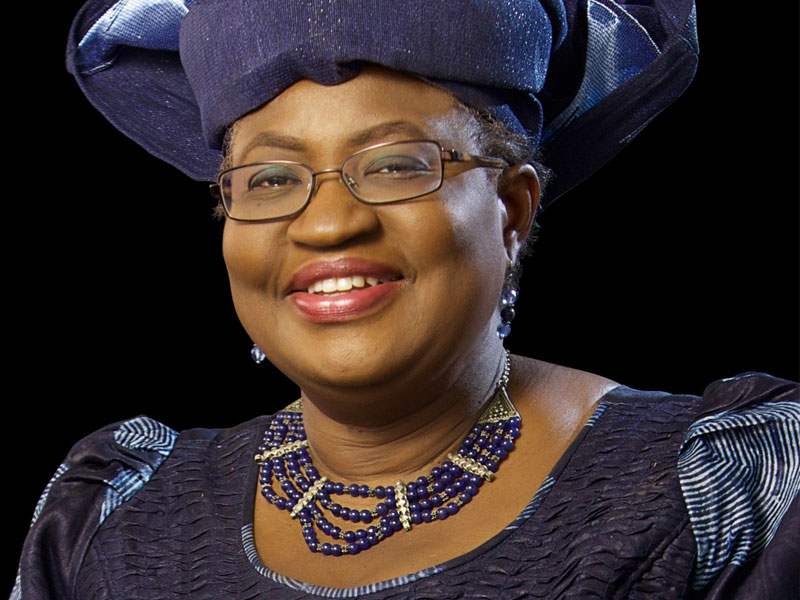
Director-General of the World Trade Organisation (WTO), Dr. Ngozi Okonjo-Iweala, has endorsed the recent monetary reforms undertaken by the Central Bank of Nigeria (CBN), saying the measures have restored confidence in the country’s macroeconomic management.
She, however, warned that the gains could only be sustained through disciplined fiscal management, responsible borrowing and policies that translate economic reforms into improved living standards for Nigerians.
Okonjo-Iweala spoke at the 7th African Emerging Markets Forum in Abuja, where she commended the leadership of CBN Governor, Mr. Olayemi Cardoso, for pursuing difficult reforms aimed at stabilising the economy.
“I want to commend the Central Bank Governor of Nigeria, Governor Cardoso, on the work that he and his team have done on currency and monetary policy systematisation,” she said.
The WTO chief noted that while monetary reforms have helped restore confidence, Nigeria must continue implementing broader macroeconomic reforms to strengthen the economy against future shocks.
According to her, attention should now shift to prudent fiscal management, sustainable debt practices and improving the overall quality of economic governance.
“Nigeria needs to continue the work on overall macroeconomic reforms with a careful approach to fiscal issues, contracting of debt and debt management,” she said.
Okonjo-Iweala stressed that the success of economic reforms should not be measured solely by improvements in financial indicators but by their impact on citizens’ welfare.
She urged policymakers to prioritise job creation and expand economic opportunities for the country’s growing youthful population.
“Above all, Nigeria needs to focus on creating jobs and economic opportunities for a young and hungry population. Nigerians have to feel the dividends of reform in the real economy,” she added.
The former Nigerian finance minister also argued that open and predictable trade contributes significantly to macroeconomic stability by helping countries diversify sources of demand and supply.
Citing research by the International Monetary Fund (IMF), she said economies that maintain access to multiple export markets and international supply networks are generally better able to withstand domestic economic disruptions.
According to her, countries exposed to broader markets are more resilient because businesses can find alternative customers when domestic demand weakens and source critical inputs when local production is disrupted.
She warned that attempts by countries to retreat into economic isolation could increase vulnerability to future global shocks.
Responding, Cardoso said Nigeria’s recent policy choices were driven by the need to restore credibility and place the economy on a more sustainable footing.
He said the CBN had returned to its core mandate by implementing reforms that improved transparency in the foreign exchange market, strengthened monetary policy and enhanced confidence in the financial system.
The governor explained that difficult decisions were necessary to rebuild trust among investors and economic stakeholders.
“Credibility is built intentionally, one right decision after another, and strengthened through consistent action,” Cardoso said.
He noted that recent policy measures have contributed to moderating inflation, improving external reserves despite global energy shocks and strengthening the resilience of Nigeria’s banking sector.
According to him, maintaining policy consistency and institutional credibility will remain critical as global economic conditions continue to evolve.
Cardoso said the changing international environment requires countries to build strong institutions capable of supporting long-term investment and sustainable economic growth.
He added that credibility should not be viewed as the responsibility of the central bank alone but as a national economic asset requiring commitment across all levels of government.
The forum brought together policymakers, central bankers, development partners and business leaders to examine strategies for strengthening Africa’s economic resilience amid
ongoing shifts in the global economic order.
No related posts.
