
Share!
By Kabir Abdulsalam,
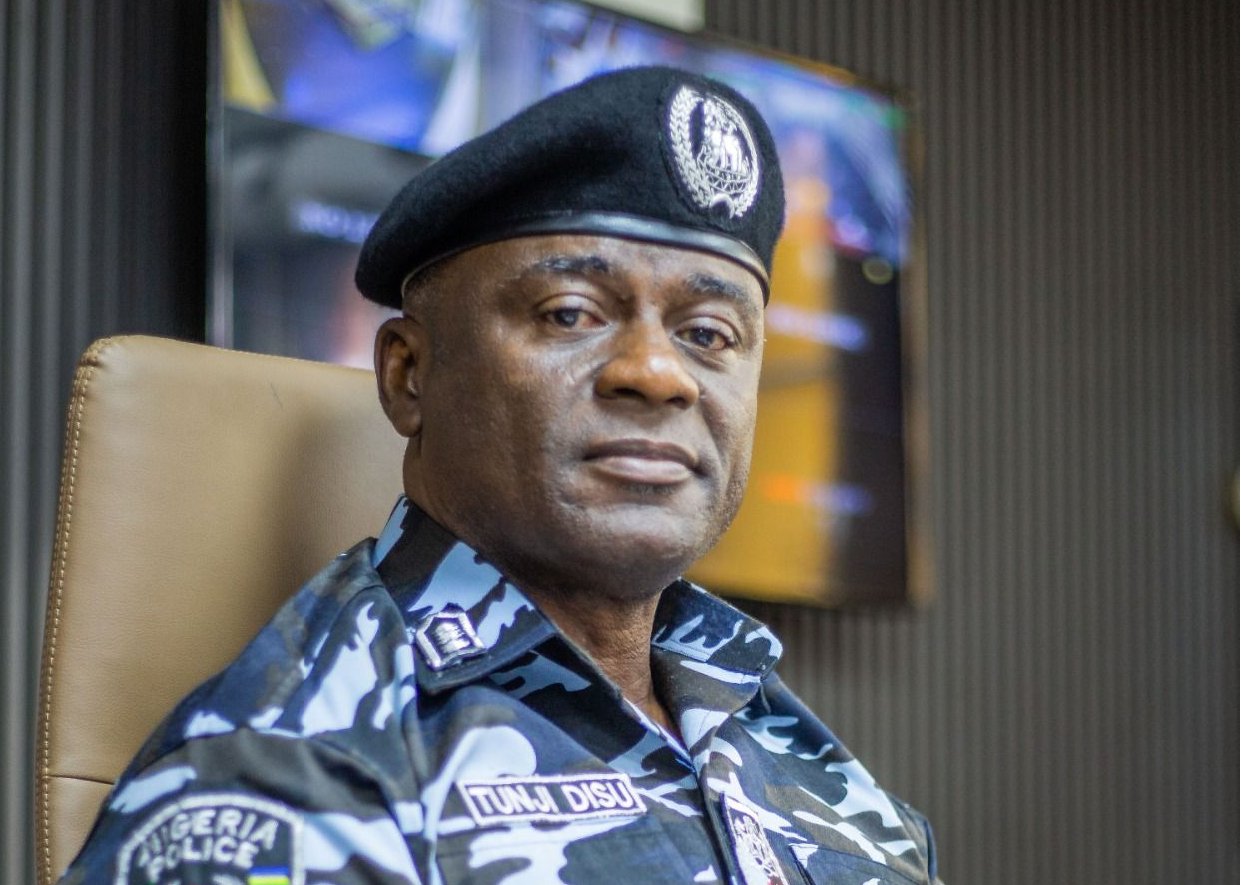
The leadership transition at the top of the Nigeria Police Force is never routine. It is institutional, political and symbolic at once. With the resignation of Inspector-General of Police Kayode Egbetokun (Retd.) on February 24, 2026, citing health and family reasons, and the appointment of Tunji Disu as Acting indigenous Inspector-General of Police by President Bola Ahmed Tinubu, attention has shifted from ceremony to substance and to the kind of policing Nigeria urgently requires.
Egbetokun’s tenure was shaped as much by law as by politics. He was appointed in 2023, his time in office intersected with debates surrounding the Police Act 2020 and its subsequent amendments. The original legislation tied retirement to age and years of service, but revisions of the Act reinforced a four-year tenure for an Inspector-General while preserving the President’s authority to appoint or remove.
In practical terms, executive discretion remained intact. Precedent supports this. Under former President Muhammadu Buhari, Inspector-General Mohammed Adamu received a tenure extension beyond his retirement threshold before eventually leaving office. Legally, leadership changes at the pleasure of the appointing authority are neither novel nor irregular.
The more intense debate surrounds Disu’s elevation was the leap over several senior officers in the established hierarchy, disrupting the traditional ladder of progression within a disciplined force that places strong emphasis on rank and seniority. Such departures from convention inevitably raise questions about morale and institutional precedent. Yet similar transitions have occurred before, including during the tenure of Solomon Arase, when succession dynamics also defied expectations.
What distinguishes Disu is the breadth of his operational résumé. A career officer with more than three decades of service, he has held command, intelligence and administrative roles across different theatres. His leadership of the Lagos Rapid Response Squad between 2015 and 2021 earned him a reputation for reform-oriented policing. The unit, once largely associated with forceful intervention, was repositioned toward community engagement and intelligence-driven deployment.
Under his command, digital tracking systems, structured data gathering and tighter operational coordination were introduced to shorten response times and professionalise field conduct. He later headed the Police Intelligence Response Unit, targeting kidnapping syndicates and organised financial crimes nationwide. In Rivers State, where he served as Commissioner of Police, he managed politically sensitive and high-profile investigations in a volatile security environment. Earlier in his career, he led Nigeria’s first police contingent to the African Union peacekeeping mission in Darfur, gaining experience in multinational security coordination and conflict management. These assignments have shaped an officer widely described as methodical, intelligence-oriented and technologically inclined.
Nevertheless, no appointment of this magnitude exists outside political interpretation. Disu’s professional proximity to President Tinubu during his Lagos years has fueled speculation about trust and loyalty. In governance, trust often plays a decisive role in security appointments. Critics argue that strong institutions should minimize personalization and adhere strictly to seniority norms.
At the same time, the Tinubu administration has faced accusations of regional favoritism in appointments, making optics as significant as operational competence. In such an environment, perception can influence public confidence as much as policy outcomes.
Disu assumes office at a delicate moment in Nigeria’s security trajectory. The country faces overlapping threats, including insurgency remnants, banditry, communal violence, kidnapping networks and urban criminality. The police operate within a multi-theatre security landscape where coordination with the military, intelligence services and state governments is indispensable. Resource constraints, personnel fatigue and stretched logistics further complicate the challenge.
The electoral calendar adds another layer of sensitivity. Nigeria is approaching the 2027 general elections, a period when policing becomes highly visible and politically charged. Public confidence in law enforcement neutrality during elections is essential to democratic legitimacy. While the Nigeria Police Council and the Senate are expected to ratify Disu’s appointment, institutional approval alone does not guarantee public trust. That confidence must be earned through transparent conduct, professionalism and restraint.
Modern policing demands more than visible patrols and checkpoints. It requires intelligence integration, rapid response capability, digital infrastructure and disciplined information management. Response time remains one of the most persistent weaknesses in Nigerian policing. In many communities, the interval between a distress call and deployment stretches into hours. Globally, effective urban policing measures response in minutes. Technologies such as GPS fleet tracking and real-time communication systems must move from pilot initiatives to institutional standards.
Internal discipline is equally critical. The perception of the police as coercive rather than protective undermines community cooperation. Professional conduct, accessible complaint mechanisms and enforceable accountability systems are operational necessities, not cosmetic reforms. Without public trust, intelligence flow diminishes; without intelligence, policing becomes reactive and blunt.
Disu has emphasized reducing response time and equipping officers with modern tools. Whether these commitments translate into measurable structural reform remains to be seen. Leadership at the top can initiate change, but lasting transformation within a national force requires sustained institutional will.
Ultimately, this transition is less about personalities than about institutional direction. The President’s constitutional authority to appoint and remove is clear. The deeper question is whether each leadership change strengthens the Nigeria Police Force as a resilient institution or merely resets the leadership cycle.
Nigeria does not simply require a new Inspector-General. It requires measurable improvements in security delivery, professionalism and public confidence. If intelligence-led operations, technological integration and disciplined neutrality define this new phase, the appointment could mark a turning point. If not, it risks blending into the familiar pattern of expectation followed by disappointment.
Kabir Abdulsalam is with PRNigeria, and can be reached via kbabdulsalam03@gmail.com
