
Share!
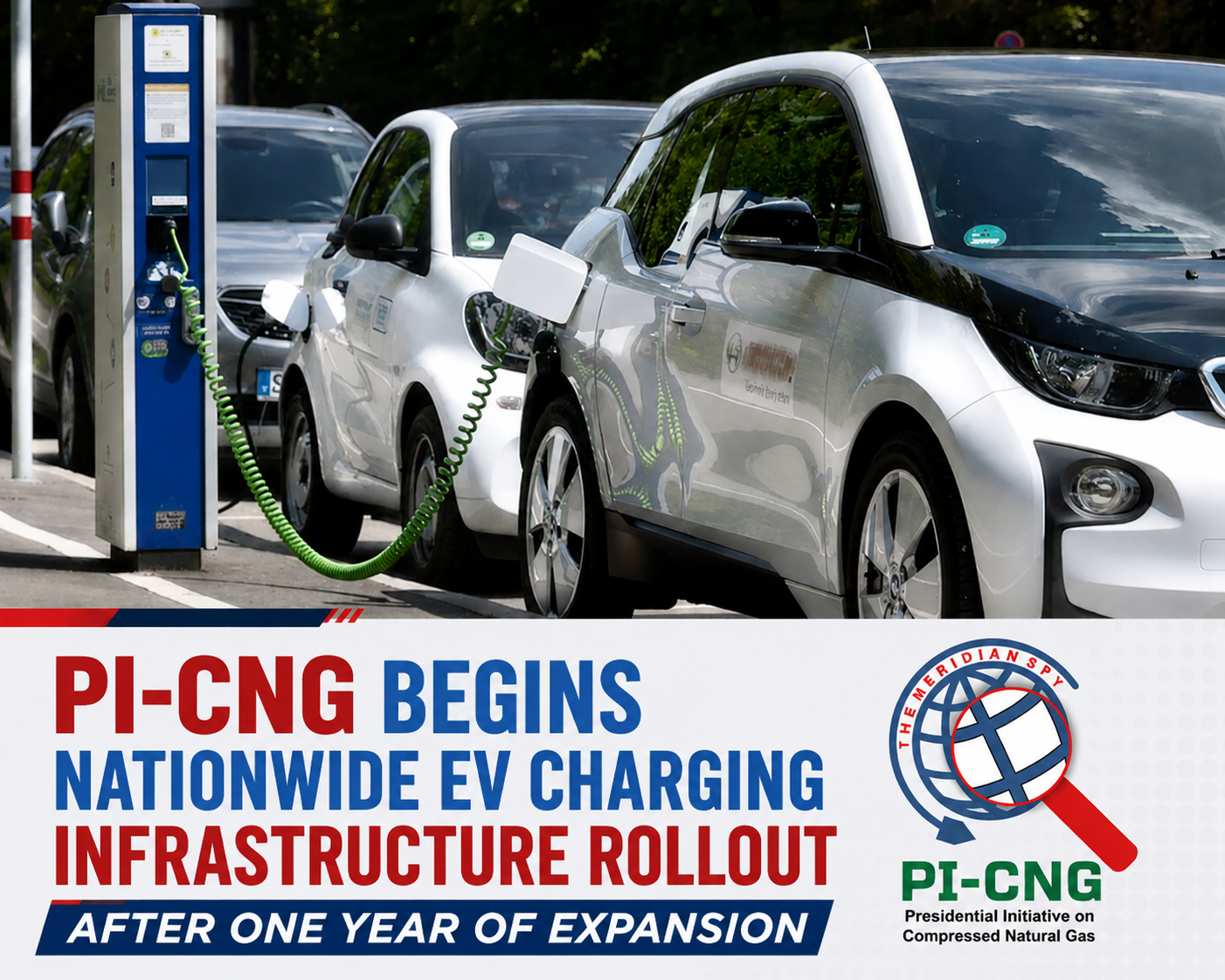
The Presidential Initiative on Compressed Natural Gas and Electric Vehicles (Pi-CNG & EV) has commenced plans for the nationwide rollout of electric vehicle (EV) charging infrastructure, marking a significant step in Nigeria’s transition to cleaner, more affordable and sustainable transportation.
The initiative said the next phase of its programme will focus on expanding CNG refuelling and EV charging infrastructure across the country, deploying additional mass transit buses and tricycles, scaling up vehicle conversion financing, and attracting greater private sector investment into Nigeria’s alternative transport energy ecosystem.
Executive Chairman of Pi-CNG & EV, Barrister Ismaeel Ahmed, disclosed this in a statement on Monday while reflecting on his first year in office. He highlighted major milestones recorded since his appointment by President Bola Ahmed Tinubu.
According to Ahmed, the initiative has laid the foundation for a nationwide clean transport system through large-scale vehicle conversions, rapid expansion of Compressed Natural Gas (CNG) infrastructure, and the introduction of electric vehicles into Nigeria’s public transportation network.
He revealed that tens of thousands of vehicles have been converted to operate on CNG over the past year, while the agency also launched its 100,000 Conversion Kit Programme and the “Convert Now, Pay Small Small” financing scheme to make vehicle conversion more affordable for Nigerians.
Ahmed further noted that President Tinubu expanded the initiative’s mandate to include electric vehicles, leading to the launch of the Northern Corridor CNG & EV Programme, under which 40 CNG buses, seven electric buses and more than 200 CNG-powered tricycles were deployed in Kano State.
He added that Pi-CNG & EV has facilitated the commissioning of CNG and Liquefied Compressed Natural Gas (LCNG) stations in Kano, Katsina, Gombe, Kaduna and Owerri, laying the groundwork for the nationwide deployment of EV charging stations and strengthening Nigeria’s clean energy transport infrastructure.
Outlining the agency’s priorities for the coming year, Ahmed said the initiative would deepen investments in transport infrastructure, encourage local assembly and manufacturing, and expand access to cleaner mobility solutions.
“We will expand refuelling and EV charging networks across the country, deploy additional mass transit buses and tricycles, scale up our vehicle conversion financing programme to reach more Nigerians, and attract greater private sector investment into the alternative energy sector. Ultimately, our goal is to reduce the economic burden of transportation on Nigerian families and businesses,” he said.
Ahmed expressed appreciation to President Tinubu and the initiative’s private sector partners for their continued support, reaffirming the agency’s commitment to building a sustainable transport energy ecosystem that lowers transportation costs, eases the burden on households and businesses, and delivers long-term value to Nigerians.
Related posts:
- Civil Society Coalition Decries Politicization of Alleged Certificate Forgery Against Minister Uche Nnaji
- We’ll Remove Bottlenecks to Investments, Reposition Economy – Tinubu
- Personal Statement on My NYSC Status as a Serving Minister– Hannatu Musawa
- Sugar Sector can Create Jobs in Hundreds of Thousands, Save Nigeria Billions of Dollars – NSDC Boss
