
Share!
Chadian authorities have detained a six-man jihadist cell that intelligence sources and a former insurgent say was led by Muslim Mohammed Yusuf, believed to be a son of Boko Haram founder Mohammed Yusuf, in what could prove to be a pivotal arrest for Lake Chad Basin security.
The detention, reportedly carried out several months ago and confirmed to international wire services by a regional intelligence source, involved six suspects taken into custody in Chad. Photographs circulated with the agency report show a young man in a blue tracksuit standing among older detainees; sources who spoke to reporters said the youth bore a resemblance to descriptions of Muslim, who is said to use the alias Abdrahman Mahamat Abdoulaye.
Chadian police spokesman Paul Manga told AFP that officers had arrested “bandits who operate in the city… they are undocumented, they are members of Boko Haram,” adding that the suspects had been detained some months earlier. However, official statements from Chad stopped short of confirming that one of the detainees is indeed the founder’s son.
According to a Nigerian intelligence source in the Lake Chad region, the cell belonged to the Islamic State West Africa Province (ISWAP) — a faction that split from Boko Haram and now operates as a rival force with links across the Sahel. The source said Muslim, reportedly about 18 years old, led the six-man group. A former lieutenant of the original Boko Haram movement who has since renounced militancy also corroborated to AFP that Muslim and five others had been arrested.
If verified, the arrest would highlight the generational continuity of violent extremist networks in the region: Mohammed Yusuf, the preacher who founded Boko Haram and was killed during a 2009 security crackdown, appears to have paternal ties that extend into contemporary militant leadership structures. Muslim is also reported to be the younger brother of ISWAP commander Habib Yusuf (Abu Mus’ab Al-Barnawi), underscoring the complex family and factional links that characterise insurgent groups in the Sahel and Lake Chad Basin.
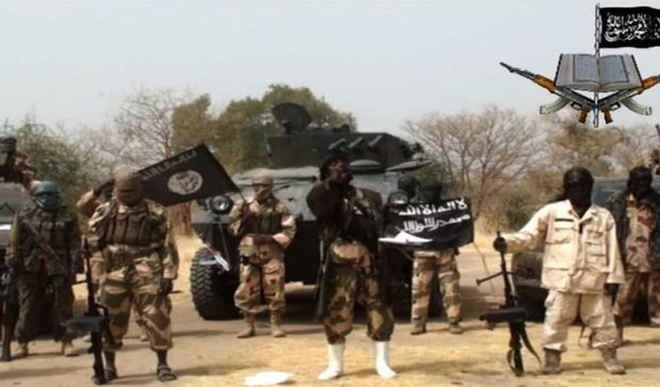
The news arrives at a time of heightened activity by jihadist groups across the region. Boko Haram and ISWAP have escalated attacks on villages and military outposts in recent months, exploiting porous borders and forested enclaves that straddle Nigeria, Niger, Chad and Cameroon. Analysts say such arrests are tactically important but must be followed by careful forensic examination of seized materials and coordinated legal action to yield long-term strategic gains.
“Detaining alleged commanders is a necessary tactical step,” said a West Africa security analyst not authorised to speak publicly. “What converts a tactical win into strategic defeat for these groups is the extraction and exploitation of intelligence, prosecution that meets legal standards, and disrupting financial and logistic networks across borders.”
So far, neither Nigeria’s counter-terrorism centre nor the nation’s intelligence services have publicly verified the identity of the detainees. Confirming that one of the arrested men is indeed Muslim will depend on forensic checks, biometric verification and intelligence cross-matching, experts say.
The arrest also tests regional cooperation mechanisms. Security officials have increasingly emphasised joint surveillance, shared human intelligence and cross-border operations as essential to countering the mobility of militants who exploit weak border controls.
For now, Chadian authorities have treated the matter as an internal security operation and issued limited public detail. Observers will be watching whether prosecutors pursue formal charges and whether the detention yields evidence that helps map the networks that still threaten communities across the Lake Chad Basin.
No related posts.
