
Share!
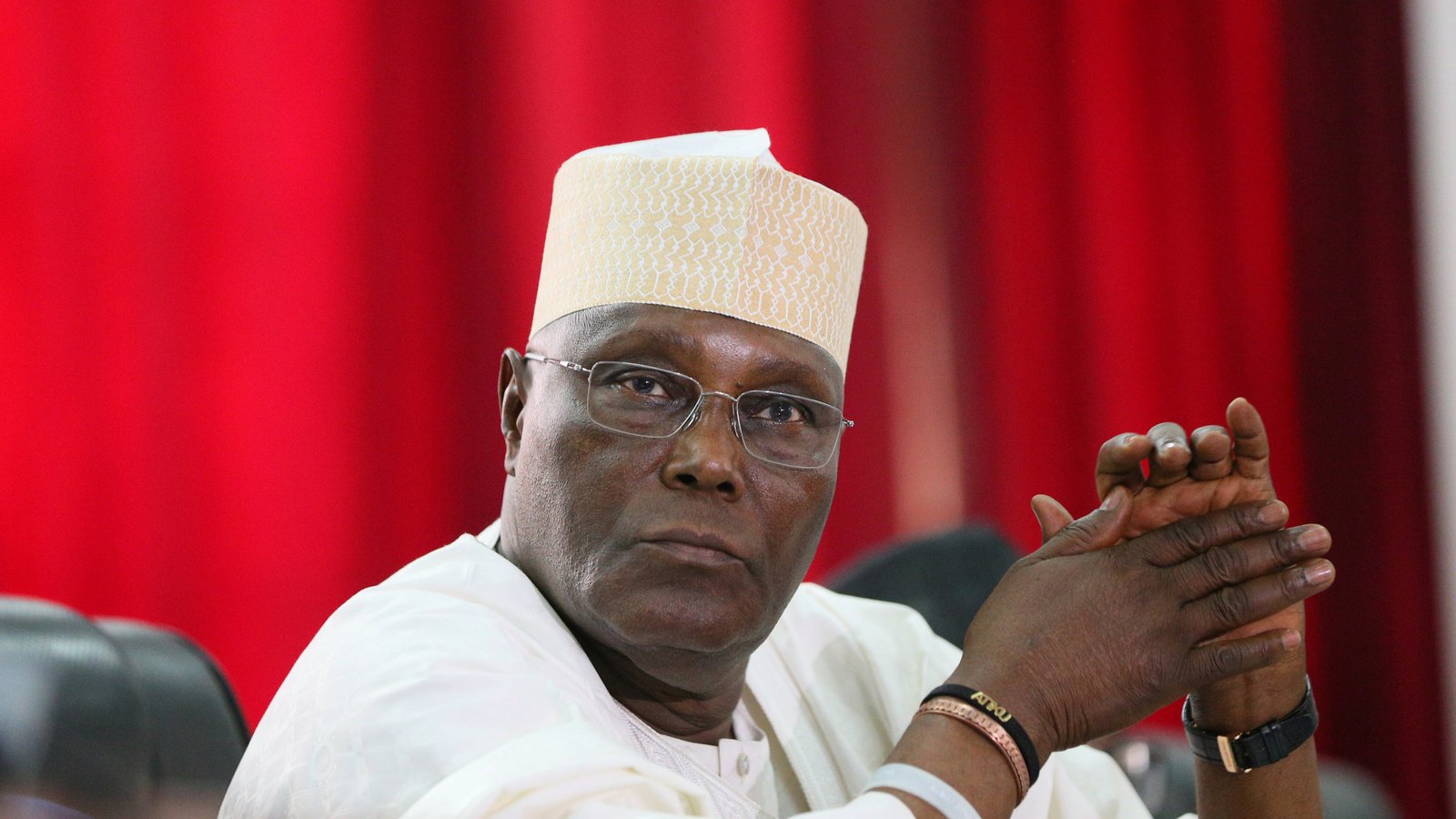
The Presidency has accused former Vice-President Atiku Abubakar of sending conflicting messages on his proposed return of petrol subsidy, describing his latest position as a political move rather than a coherent economic policy.
The Special Adviser to President Bola Tinubu on Information and Strategy, Bayo Onanuga, made the allegation in a statement on Wednesday, August 26, 2026.
Onanuga said Nigerians had received three different explanations of Atiku’s position on petrol subsidy within one week.
According to him, Atiku’s spokesperson, Paul Ibe, initially said the former vice-president would restore petrol subsidy if elected president and subsequently phase it out as the economy recovered.
He said another aide, Phrank Shaibu, later described Ibe’s position as an “unauthorised and misleading characterisation” and explained that Atiku would not set a fixed date for ending the subsidy.
Shaibu, Onanuga said, instead argued that subsidy would remain until domestic refining capacity expanded, fuel supply stabilised, competition increased and market forces could deliver affordable prices without government intervention.
However, Onanuga said Atiku subsequently intervened and reaffirmed that his position had not changed, stating that he would restore a “targeted subsidy” if elected.
The presidential aide described the development as a policy contradiction that required clarification from the former vice-president.
“Nigerians deserve clarity, not policy by trial and error,” Onanuga said.
He also challenged Atiku’s argument that restoring petrol subsidy would help address the rising cost of living, noting that petrol prices were only one of several factors influencing inflation.
According to him, food prices are also affected by agricultural productivity, insecurity, exchange rates, logistics, storage, flooding, input costs and supply constraints.
Onanuga argued that competition in the petroleum sector could improve efficiency but could not completely shield Nigeria from international crude oil prices, exchange rates, refining costs, transportation and distribution expenses.
He further questioned what Atiku meant by “targeted subsidy” and demanded details on its cost, beneficiaries, funding mechanism and conditions for eventual termination.
“Either he has a coherent, costed and workable petroleum policy, or he is simply playing politics with a policy that has significantly restored fiscal health to the three tiers of government and stabilised the macroeconomic environment,” the presidential aide said.
Onanuga also criticised Atiku’s argument that subsidy should follow the crude oil barrel, pointing to the range of products derived from crude oil during refining.
He said petrol accounts for about 45 per cent of the products from a refined barrel, while other outputs include diesel, aviation fuel, kerosene, petrochemical feedstocks, asphalt, hydrocarbon gas liquids, lubricants, waxes, petroleum coke and sulphur.
The presidential aide noted that diesel was deregulated in 2004 during the administration in which Atiku served as vice-president, while kerosene and jet fuel were also subsequently deregulated.
He therefore questioned whether a subsidy programme focused on petrol would adequately address the wider energy costs faced by Nigerians, particularly those who rely on kerosene, diesel and other petroleum products.
Onanuga also raised concerns about the potential implications of providing discounted crude oil to refineries while subsidising only petrol.
He asked whether refineries would be allowed to retain profits from other petroleum products derived from the same crude oil.
The presidential aide concluded by accusing Atiku of lacking a clear understanding of the implications of his proposed subsidy policy.
“The economy is too serious for policy somersaults, incoherence, destructive populism and election gimmicks,” Onanuga said.
