
Share!
The Federal Government has introduced a major fiscal incentive for new deep offshore oil and gas projects, allowing contractors to begin profit-oil sharing at 70:30 in their favour, even if existing production in the same contract area has already moved to a higher government share.
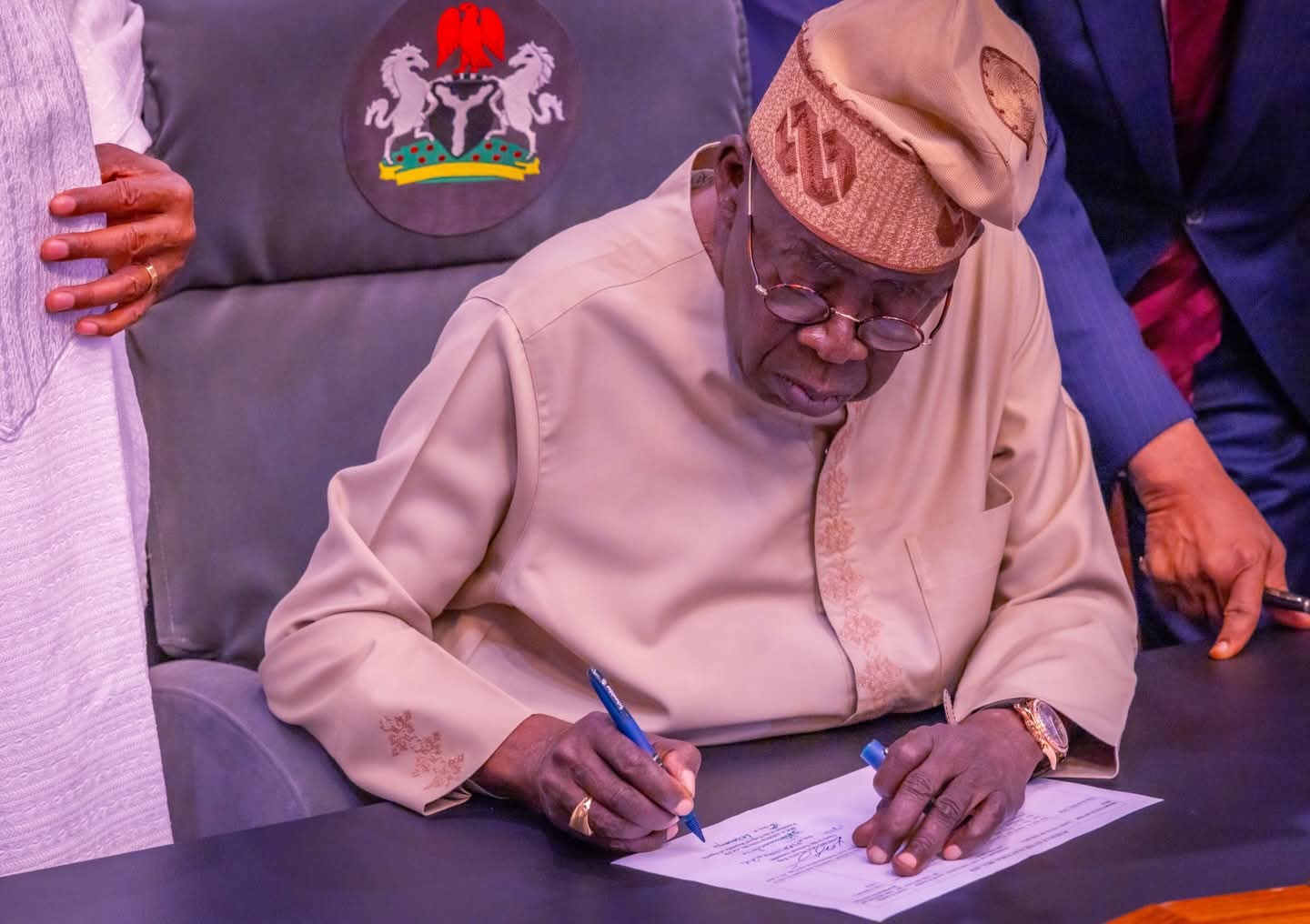
The provision is contained in the Deep Offshore Oil and Gas Projects Incentives (Tax Remission) Order, 2026, signed by President Bola Tinubu on August 6 and gazetted by the government.
The order ring-fences new greenfield projects from the more burdensome profit-oil ratios applicable to mature fields.
“Where a Profit Oil Reset is approved, the applicable profit oil sliding scale shall restart only for the approved eligible project development… commencing at a ratio of 70:30 as between the contractor and government,” the Gazette stated.
The incentive applies only to greenfield crude oil or non-associated gas projects where a Final Investment Decision (FID) had not been taken before the order commenced.
FIDs must be made by December 31, 2029, though extensions may be granted in cases of force majeure.
Beyond the reset, the order introduces a Standard Production Tax Credit of up to $3 per barrel for projects with reserves up to 400 million barrels, and up to $4.50 per barrel for larger projects.
Deep offshore gas projects can receive credits of up to $1 per thousand standard cubic feet, depending on hydrocarbon liquids content.
Professor Emeritus of Petroleum Economics, Wumi Iledare, welcomed the investment objective but cautioned: “The more important petroleum economics question is: How much incremental value will the tax remission create for Nigeria relative to the economic rent and government revenue forgone?” He warned that incentives must generate additional public value rather than simply transfer rent to investors.
The government hopes the order will unlock up to $50 billion in investment, beginning with the $10 billion Bonga Southwest project. Implementation guidelines are expected within 45 days, including clawback provisions to recover wrongly obtained credits.
The policy is part of efforts to reverse years of declining investment and production challenges in Nigeria’s upstream sector.
No related posts.
