
Share!
The House of Representatives has approved President Bola Tinubu’s request for an external loan of $7.7 billion (approximately ₦10.79 trillion) to part-finance the 2026 national budget.
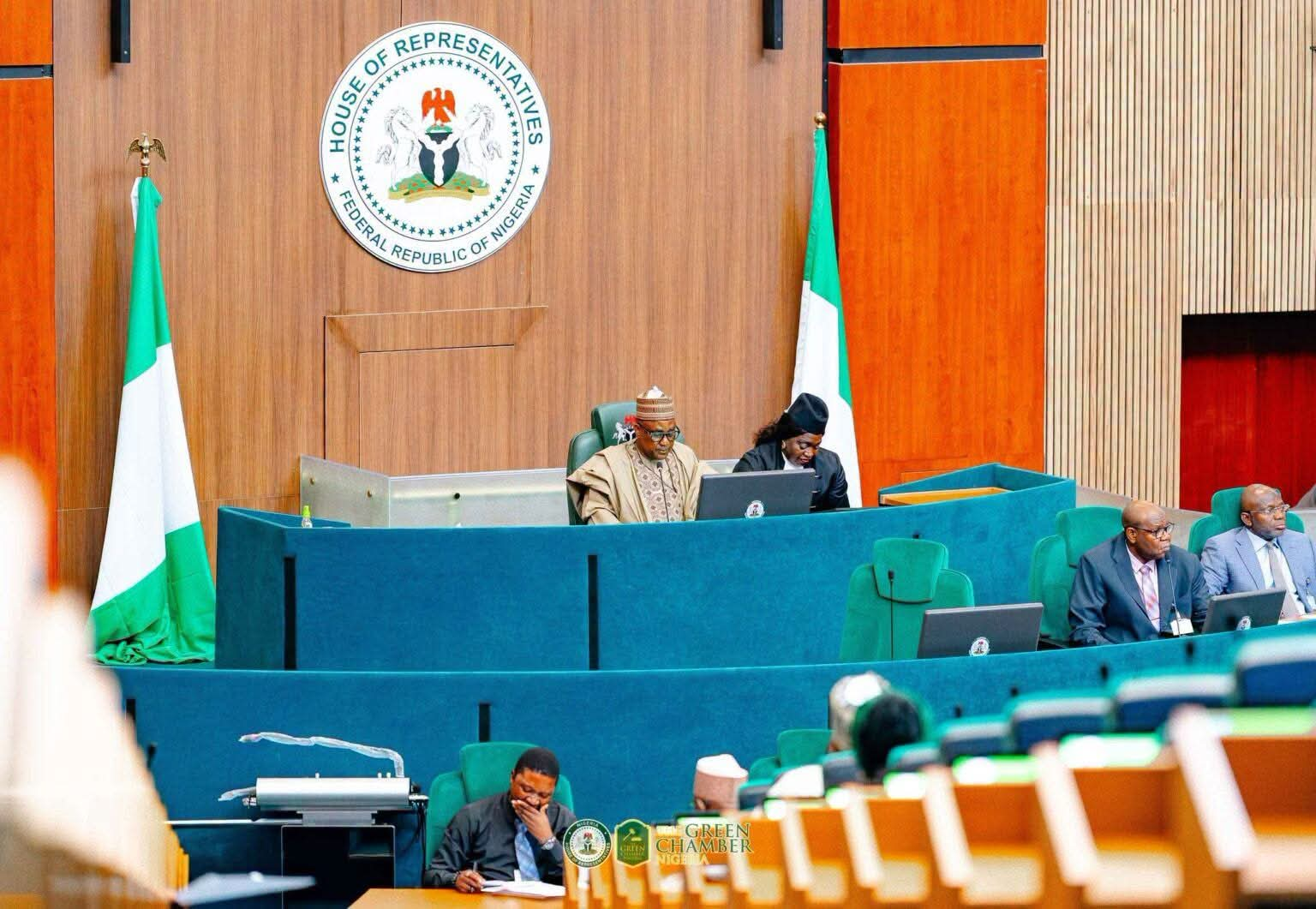
The approval was granted during Tuesday’s plenary after lawmakers considered a report presented by Sada Soli on behalf of Abubakar Nalaraba, Chairman of the House Committee on Aids, Loans and Debt Management.
The approved borrowing, valued at approximately $7.707 billion at the budget exchange rate of ₦1,409 to the dollar, is intended to support the implementation of projects and programmes captured in the 2026 Appropriation Act.
The Federal Government is authorised to raise the funds through various financing options, including concessional and commercial loans from multilateral and bilateral institutions, International Monetary Fund (IMF) facilities, bridge financing arrangements, loan syndication and Eurobond issuance.
The lawmakers directed the government to prioritise financing options with the most favourable terms and conditions to minimise the country’s borrowing costs.
As part of measures to strengthen accountability, the House also directed the Federal Government, through the Debt Management Office (DMO), to submit periodic reports to the National Assembly detailing the amounts borrowed, sources of financing, interest rates, repayment periods, associated fees and other loan conditions.
The House Committee on Local and Foreign Debts was further mandated to maintain continuous oversight of the borrowing programme, including monitoring the utilisation of funds, actual loan disbursements and compliance with approved terms.
In his request to the National Assembly, Tinubu explained that the external borrowing was necessary to finance priority projects in critical sectors, including defence and security, transportation, agriculture, power, education and healthcare.
The President also argued that the funds would help consolidate the administration’s macroeconomic reforms, strengthen the country’s external reserves and support exchange rate stability.
He explained that the proceeds would be received by the Central Bank of Nigeria on behalf of the Federal Government, thereby contributing to the country’s foreign reserves.
The approval comes amid ongoing efforts by the Tinubu administration to finance the 2026 budget deficit through a combination of domestic and external borrowing.
