
Share!
The National Information Technology Development Agency (NITDA) has called for stronger stakeholder partnerships and renewed commitment to implementing its Strategic Roadmap and Action Plan (SRAP 2.0) to accelerate Nigeria’s digital transformation.
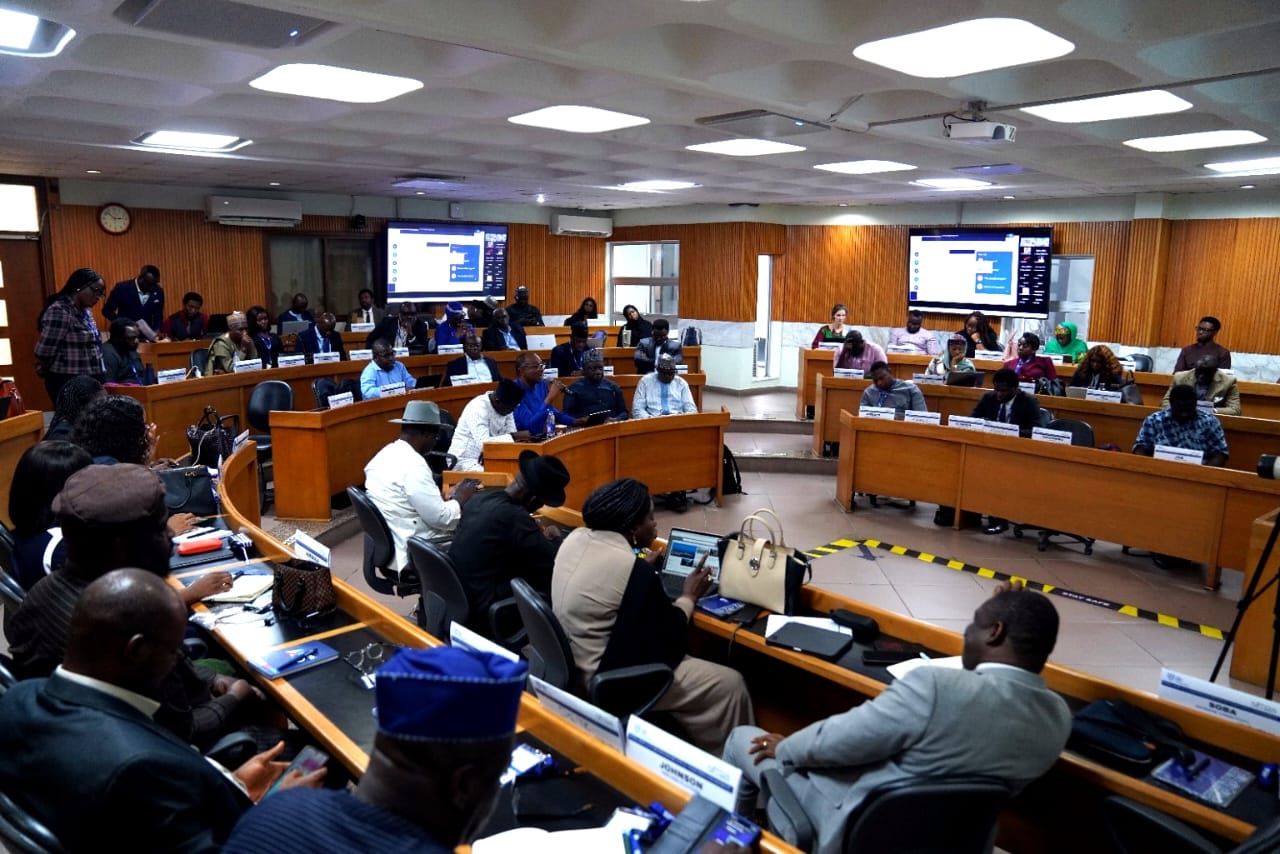
The Director General of NITDA, Kashifu Inuwa, represented by the Director of the Special Duties Directorate, Dr Aristotle Onumo, made the call during the SRAP 2.0 Stakeholders’ Engagement held at Lagos Business School, Lagos State.
Inuwa commended the leadership of Lagos Business School for sustaining its partnership with the agency, stressing that collaboration, shared expertise and inclusive stakeholder participation were essential to achieving sustainable progress in Nigeria’s digital ecosystem.
He explained that the strategic roadmap was developed through extensive consultations with stakeholders, including members of Lagos Business School, and should therefore be treated as a collective framework requiring continuous review and participation rather than an internal agency document.
According to him, the engagement provided an opportunity to assess implementation progress, determine whether existing priorities remained relevant, identify areas requiring adjustments and evaluate the impact of ongoing initiatives.
The NITDA chief also highlighted the agency’s transition towards becoming an ecosystem platform for digital innovation, noting that its approach was increasingly shifting from the traditional issuance of regulations and guidelines to co-creating solutions with stakeholders across the technology landscape.
He said the transition, which had been pursued over the past three years, was approaching its final phase, urging stakeholders to sustain their commitment to achieving the agency’s objectives.
Reaffirming NITDA’s vision of building a digitally enabled nation that promotes inclusive economic development through technological innovation, Inuwa emphasised the continued relevance of the eight strategic pillars underpinning the roadmap.
He urged stakeholders to evaluate progress across key areas, including digital skills development, regulatory effectiveness, digital infrastructure and services, entrepreneurship, innovation and the growth of Nigeria’s startup ecosystem.
He further called for a review of the implementation of the Nigeria Startup Act to determine its contribution to strengthening the startup community and promoting innovation-driven enterprise development.
Inuwa stressed that effective implementation of the national digital agenda required the active participation of relevant stakeholders across the digital ecosystem, adding that sustained collaboration would help address emerging challenges and improve the delivery of the agency’s programmes.
He expressed confidence that renewed partnerships, collective responsibility and constructive stakeholder engagement would accelerate Nigeria’s digital development and strengthen its position in Africa’s technology ecosystem.
The Director General concluded by urging stakeholders to embrace the partnership-driven approach and work collectively towards building a digitally enabled Nigeria capable of serving as a catalyst for digital transformation across Africa.
