
Share!
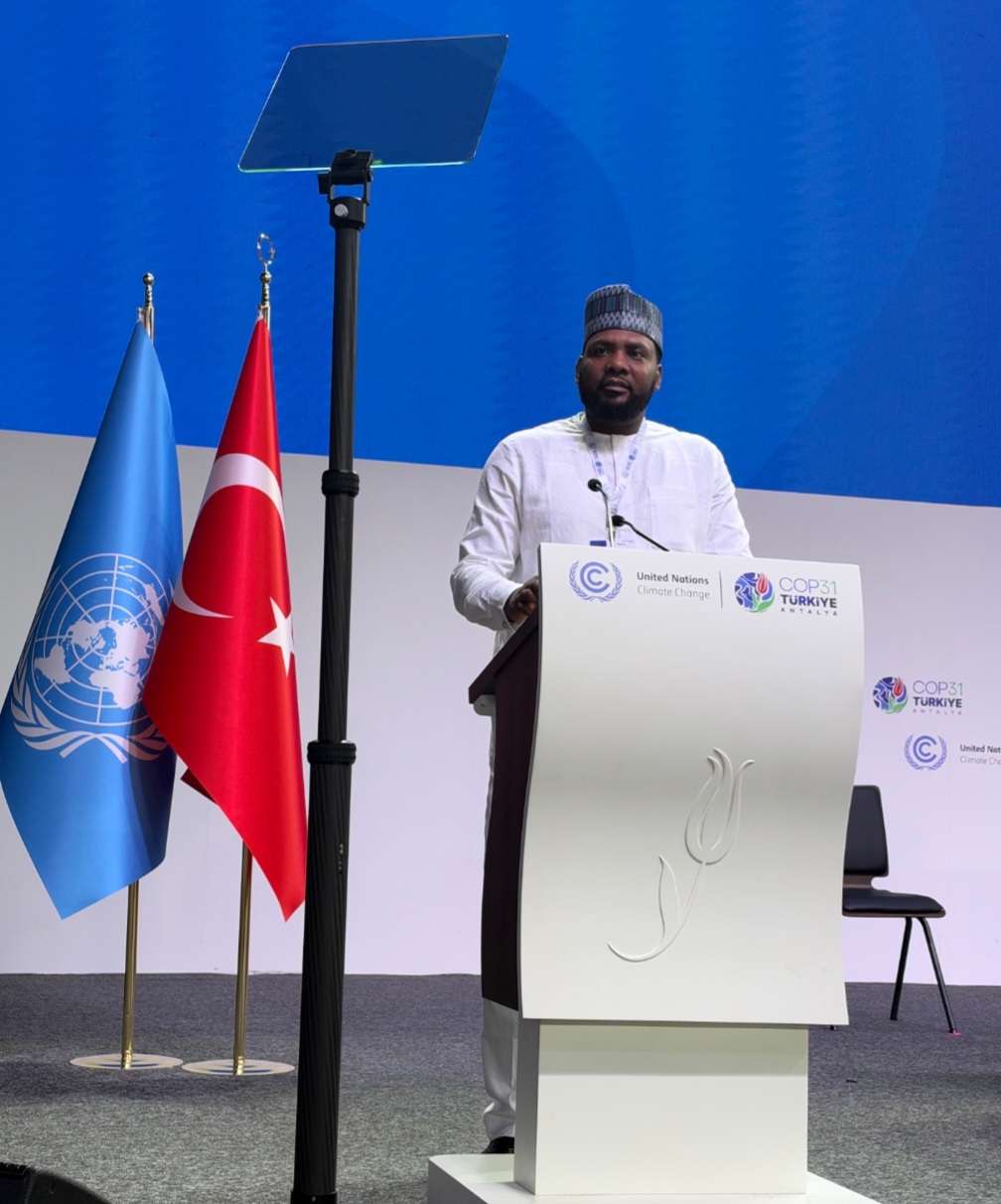
The Director-General of the Energy Commission of Nigeria (ECN), Dr. Mustapha Abdullahi, has engaged global energy stakeholders on innovation, international cooperation and climate action at the ongoing 31st United Nations Climate Change Conference (COP31) in Türkiye.
Abdullahi’s engagements included discussions on artificial intelligence-driven energy solutions, witnessing the signing of the Nigeria-UK Methane Partnership and participating in a high-level dialogue on investment opportunities in climate action and sustainable energy development.
At the Green Zone Startup Area, the ECN chief engaged with representatives at the İSİAS stand on AEYS, an artificial intelligence-powered platform designed to monitor energy and water consumption, measure carbon footprints and support sustainability reporting.
He also witnessed the signing of the Nigeria-UK Methane Partnership at the UK Pavilion, alongside the UK Minister of State for Climate Transition, Katie White OBE MP; Nigeria’s Minister of State for Foreign Affairs, Ambassador Sola Enikanolaiye; and the Director-General of the National Council on Climate Change (NCCC), Mrs Omotenioye Majekodunmi.
The partnership signing formed part of the international engagements at the conference aimed at strengthening cooperation on climate-related priorities.
The ECN Director-General further attended a high-level side event organised by the Cross River State Government in collaboration with the NCCC at the Nigeria Pavilion. The event, themed “From Climate Vulnerability to Green Prosperity,” explored investment opportunities in climate action, integrated energy planning, renewable energy solutions and sustainable development.
At the event, Abdullahi commended the Cross River State Government for its initiatives and emphasised the need to align subnational energy programmes with national policies and Nigeria’s Energy Transition Plan.
He stressed the importance of coordinated approaches to energy planning and implementation in advancing the country’s sustainable development objectives.
The engagements provided an opportunity for the Energy Commission to explore technology-driven solutions, strengthen international partnerships and contribute to discussions shaping the global energy transition.
The ECN continues to provide technical expertise and support policy development and strategic coordination aimed at advancing Nigeria’s energy priorities and strengthening the country’s position in the evolving global climate and energy landscape.
