
Share!
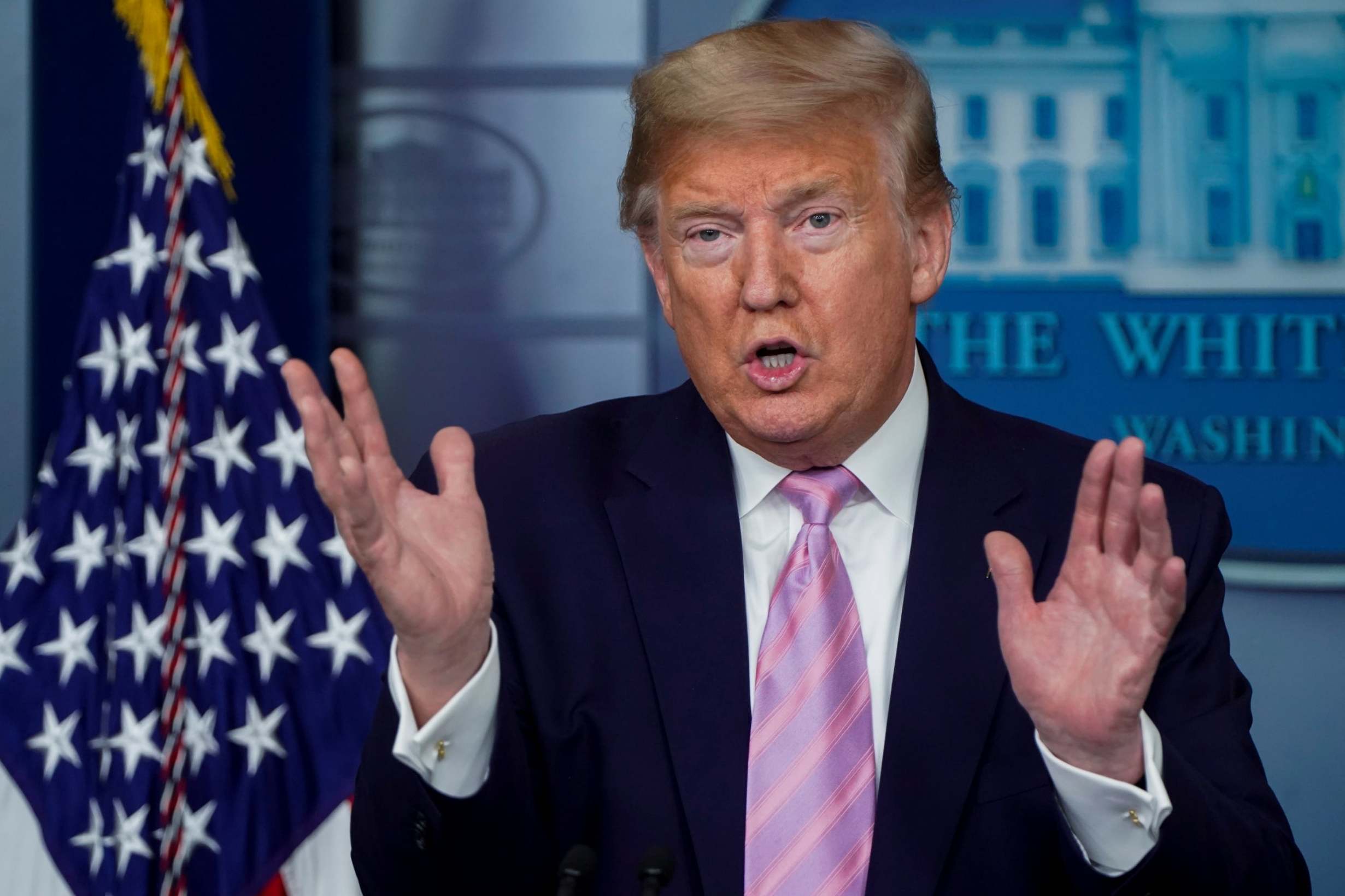
President Donald Trump said Saturday that the United States and Israel had agreed to hold off on new strikes on Iran — provided that a deal to end the months-long conflict is reached rapidly.
Fears had been mounting that the fighting could escalate once again after Trump threatened to hit Iran “very hard” and was reportedly considering renewed heavy attacks, including against energy infrastructure.
But the US leader appeared to have changed course after speaking with Saudi Arabia’s crown prince and after Tehran also spoke to Riyadh, and to mediators Pakistan and Turkey.
Trump insisted the US was “locked and loaded and ready to go against the Islamic Republic of Iran,” but added that “we have just been asked by Iran, and other Middle Eastern Countries, to hold off any attack”.
“Based on this request, I have agreed, for the future benefit of the WORLD and, likewise, the survival of a successful and prosperous Iran, to cancel the attack, subject to being able to rapidly make a DEAL,” Trump posted on his Truth Social platform.
Iran’s Mehr news agency, citing military officials, called Trump’s claim that Tehran asked him to refrain “nothing but a new lie” and said Iran’s military was “on high alert and ready for any eventuality”.
Iranian state media said the Saudi and Iranian foreign ministers held a call and that Tehran also spoke with Pakistan and Turkey, which have acted as mediators in the talks, about “the risk of escalating tensions and insecurity in the region”.
Saudi Arabia’s official SPA press agency said Crown Prince Mohammed Bin Salman had a call with Trump where he “emphasised the necessity of prioritising dialogue to reduce tensions and the importance of exerting all possible efforts to achieve a truce that paves the way for diplomatic solutions”.
The US president said the deal would have to include the “Immediate, Complete and Total OPENING OF THE HORMUZ STRAIT, and an end to Iran’s nuclear threat.”
“The Country of Israel joins me in this commitment,” he added.
After more than five months of war, which began on February 28 when the United States and Israel launched strikes on Tehran, there is seemingly no end to the conflict in sight.
A previous ceasefire deal with similar terms, including the reopening of the Strait of Hormuz, fell through, and Iran has since tightened its control over the vital waterway as the two countries resumed attacks against each other in recent weeks.
Iran’s Fars news agency, citing a source close to Iranian negotiators, said Hormuz will remain closed “as long as the United States maintains its hostile actions”.
The resumption of hostilities has caused global oil prices, which had dipped during the initial ceasefire, to rise once more.
And the back-and-forth comes just three months before midterm elections in the United States that could pose a challenge for Trump’s Republican Party.
US embassies in capitals across the Middle East had warned their citizens on Saturday to beware of “unforeseen escalation” in the regional conflict and urged them to be ready to leave.
Iran and the US resumed exchanges of fire last month after a days-long lull in fighting, although there were no reported strikes between Friday and Sunday.
On Wednesday, a drone struck a US-owned gas vessel moored in an Egyptian port, causing a fire. Egypt is investigating but has not yet accused any group of launching the attack.
Meanwhile, an “unknown projectile” struck a tanker off the coast of Oman, a British maritime agency said on Saturday.
Iran has effectively maintained control over navigation through Hormuz since the outbreak of the war on February 28, requiring vessels to obtain permission and pay transit fees before using the waterway.
Maritime trade tracking firm Kpler said Friday that traffic through the Hormuz strait has dropped sharply.
On the Bab el-Mandeb Strait, another waterway that has gained increasing importance as a transit route for Saudi Arabian oil, the Iran-backed Houthi rebels in Yemen on Saturday denied seeking to charge ships for passage through it.
The narrow waterway connects the Red Sea to the Indian Ocean and, via the Suez Canal, the Mediterranean.
AFP
No related posts.
